




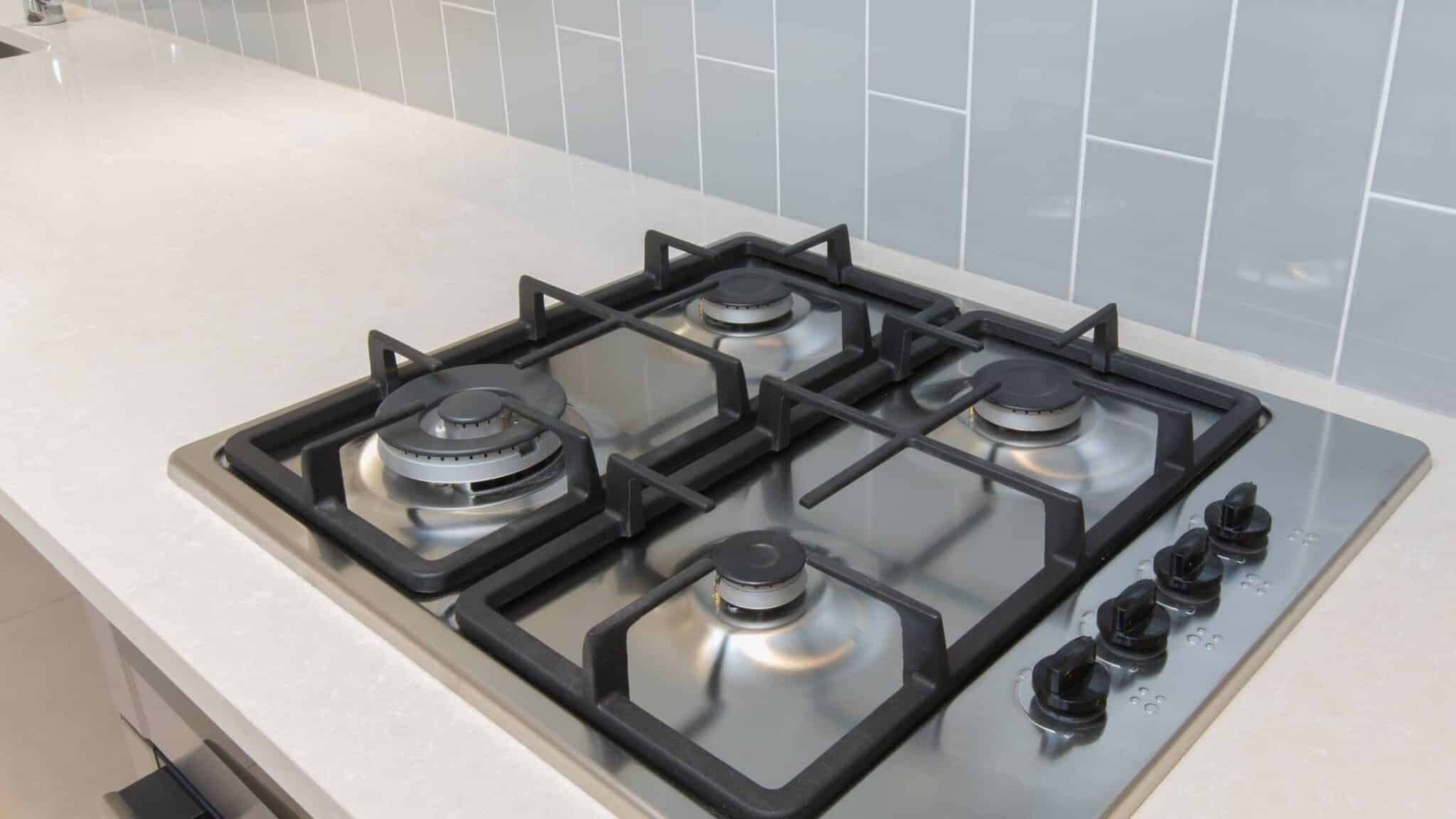
Whether you cook every night or only on weekends, the zone around your cooktop is the hardest-working section of any kitchen countertop. Franklin homeowners who take their cooking seriously, whether that means large family dinners, weekend baking, or the high-output ranges increasingly popular in New England kitchen renovations, need a material that handles thermal stress reliably over years of daily use. At New View Marble & Granite, we help Franklin, MA homeowners think through exactly this kind of decision, and heat performance near the cooktop is one of the most practical factors in any countertop selection.
heat resistant countertops near cooktop Franklin MA
What the Cooktop Zone Actually Demands
Cookware removed from a gas or electric burner at high heat can carry 400 degrees Fahrenheit or more at the base. Radiant heat from gas flames creates a persistent background thermal load in the stone surrounding the cooktop. High-output ranges, common in Franklin kitchen renovations, intensify these conditions. The material in this zone needs to handle not just isolated heat events but the cumulative effect of daily thermal cycling across many years of use.
Granite: New England’s Reliable Heat-Tolerant Natural Stone
Granite is formed at extreme temperatures deep in the earth, which means it handles kitchen heat without any of the resin-related risks that affect engineered surfaces. There is no polymer content to warp, discolor, or crack from thermal contact. For Franklin homeowners who cook at high heat regularly, granite countertops offer a surface that performs near the cooktop without requiring specific habits or precautions.
The one maintenance note: the penetrating sealer applied to granite can thin faster in the cooktop zone due to repeated heat exposure. Checking the sealer in that area with a water drop test once or twice per year keeps it properly protected through New England’s active cooking seasons.
Quartz: Excellent Performance With One Clear Limit
Engineered quartz countertops are among the most popular choices in Massachusetts kitchen renovations. They are non-porous, require no sealing, and come in a wide range of designs suited to every kitchen style from modern to transitional. Popular brands like Caesarstone and Silestone deliver consistent quality across their lines. Near a cooktop, quartz performs well under typical everyday cooking conditions.
The specific limitation near a cooktop is direct hot pan contact. The polymer resins that give quartz its non-porous character can discolor, warp, or crack when a pan fresh from a high burner contacts the surface. Consistent trivet use from day one keeps quartz performing well in this zone without concern.
Soapstone: A New England Classic With Natural Heat Tolerance
Soapstone has been used in New England kitchens for generations, and for good reason. The dense talc composition of soapstone countertops gives it natural heat tolerance that requires no special habits near the cooktop. It is non-porous, chemically inert, and handles warm cookware without damage. For Franklin homeowners drawn to a material with genuine regional history and character, soapstone is worth a serious look alongside granite.
Sintered Stone: Maximum Heat Tolerance for Demanding Kitchens
Sintered surfaces such as Dekton are manufactured at temperatures exceeding anything a home kitchen can generate. They offer near-zero porosity and the highest heat tolerance of any countertop material available. For Franklin homeowners with high-output professional ranges who want complete confidence in the cooktop zone, sintered stone is the premium specification.
What to Avoid Near the Cooktop
- Solid surface materials: vulnerable to permanent scorch marks at cooking temperatures
- Laminate: can blister or delaminate with sustained radiant heat
- Marble: porous and acid-sensitive; less heat-tolerant than granite or soapstone
- Engineered quartz without trivet discipline: a capable material that becomes a liability near the cooktop without consistent protection
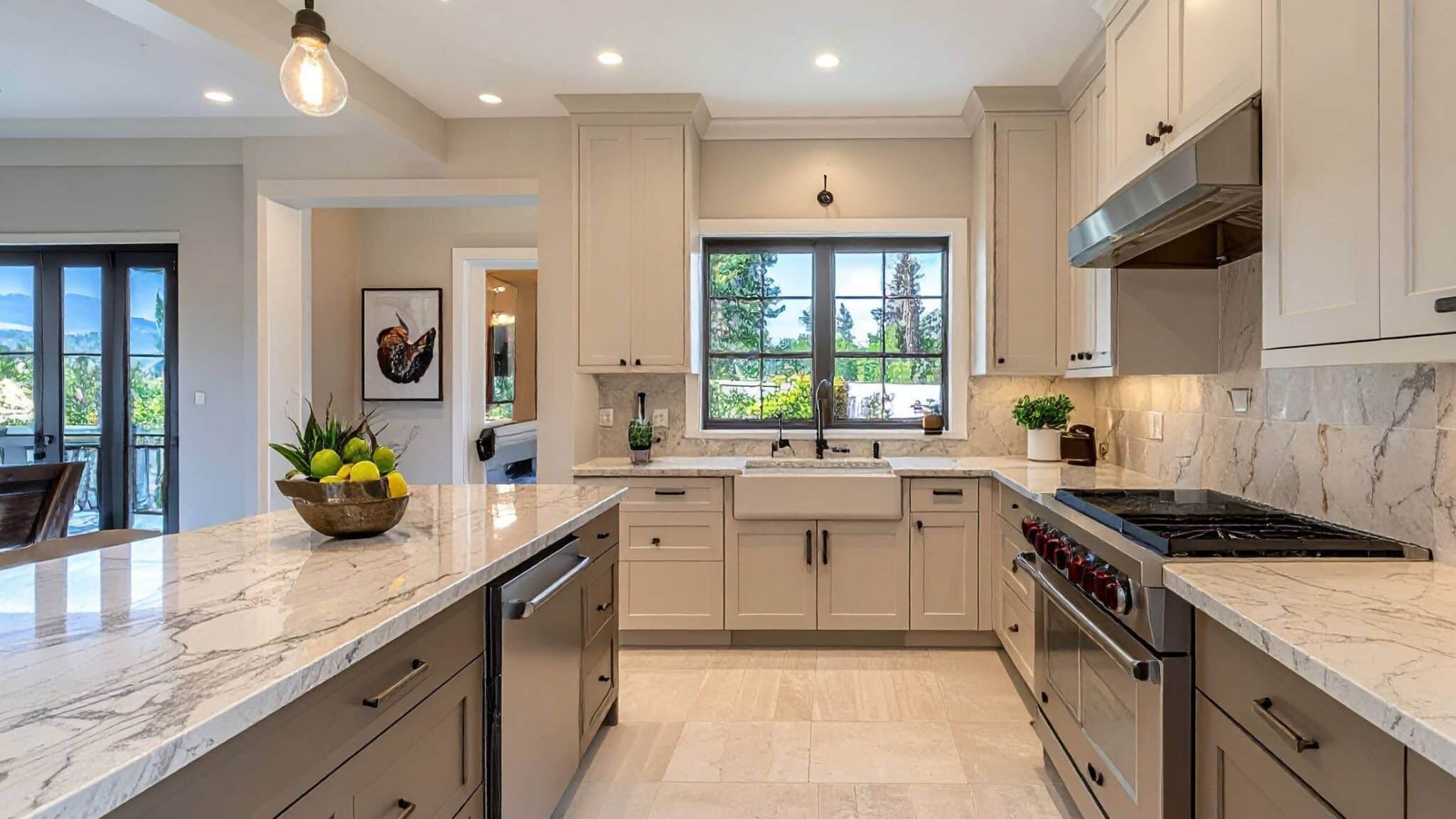
can quartz handle hot pans 2026
Frequently Asked Questions
Can quartz handle hot pans in 2026?
No quartz manufacturer rates their product for direct contact with hot cookware. The polymer resins that give quartz its non-porous properties are also its thermal vulnerability. In 2026, the guidance from every major quartz brand is unchanged: use trivets for hot items. With that habit consistently in place, quartz is a fully capable kitchen material including near the cooktop.
Is soapstone genuinely heat-resistant enough for a Franklin kitchen with a high-output range?
Yes. Soapstone’s historical use in stoves, fireplace surrounds, and laboratory surfaces reflects genuine thermal stability. It handles warm and hot cookware without damage or discoloration. For a high-output range in a Franklin kitchen, soapstone and granite are both reliable cooktop zone materials.
Does New England’s cold climate affect countertop performance near the cooktop?
For indoor countertops, ambient room temperature is not a significant factor in thermal performance near the cooktop. The relevant heat is from cooking, not from the climate outside. New England’s freeze-thaw cycling is relevant for outdoor stone applications, where proper material selection and sealing matter significantly.
Find the Right Countertop for Your Franklin Kitchen
From granite and soapstone to premium quartz brands, our team at New View Marble & Granite can help you choose the right material for how your Franklin kitchen actually gets used. Find us on Google Maps or contact us to visit our Franklin, MA showroom.